

1095 kr. — 75min
A Comprehensive Guide to Vagus Nerve Massage
I offer vagus nerve massage at my one-person clinic, located in Copenhagen V (Vesterbro). Vagus nerve massage is performed in a calm and safe environment to support natural healing and recovery. The treatment focuses on stimulating the vagus nerve, which plays a central role in regulating stress, digestion, heart rate, and the autonomic nervous system. The vagus nerve originates in the brainstem and branches out to many vital organs such as the heart, lungs, stomach, and intestines. The vagus nerve, also known as nervus vagus, is the tenth cranial nerve and is often referred to as “the wandering nerve” because it extends throughout much of the body.
Omniaclinic has also discussed the potential of vagus nerve stimulation in the treatment of psychological and autoimmune conditions.
Book your appointment today!
Massage of the vagus nerve can be especially beneficial for those experiencing chronic stress, anxiety, inner restlessness, digestive issues, or difficulty finding inner calm. Some people feel generally heavy in the body, which may be a sign of imbalance. The vagus nerve can be affected by various health issues, potentially leading to symptoms such as headaches, neck pain, and digestive problems. Through targeted work with the vagus nerve, I support activation of the parasympathetic nervous system, promoting deep relaxation and helping restore balance in the body’s functions.
Stimulation of the vagus nerve can be achieved through gentle neck massage, humming, cold showers, and deep breathing. When you breathe deeply, the vagus nerve is stimulated because it receives input in the form of internal massage as the diaphragm relaxes—so remember to breathe calmly and deeply. Alternate nostril breathing is a yoga-inspired exercise that can stimulate the parasympathetic nervous system and help create balance in the body. Approximately 80% of the vagus nerve’s function is to monitor digestion, while the remaining 20% consists of motor fibers that control the gastrointestinal system. The vagus nerve ensures optimal digestive function, and its role is essential to overall bodily balance. It also has a direct impact on the lungs, helping regulate breathing rate and depth, and plays a central role in the parasympathetic nervous system, which governs the body’s relaxation response.
The treatment may also have a positive effect on symptoms related to inflammation and nervous system imbalance, including an overactive vagus nerve. Stimulation of the vagus nerve has shown promising results for patients with severe depression who have not benefited from conventional treatments, and research suggests that vagus nerve dysfunction may contribute to migraines, digestive disorders, emotional disturbances, anxiety, depression, chronic inflammation, and autoimmune diseases. Migraines and tension headaches may be associated with vagus nerve dysfunction, where muscular tension develops and can lead to neck pain. The vagus nerve monitors the digestive system and can influence gastrointestinal issues such as irritable bowel syndrome, constipation, and infections.
The vagus nerve sends and receives nerve signals to and from large areas of the neck and upper body and can transmit signals directly to the central nervous system, which is significant for overall health. It functions as a major pathway to the central nervous system, sending signals directly from organs to the brain. By connecting the brain with organs such as the heart, lungs, and digestive system, the vagus nerve plays a crucial role in gut-related processes and can influence health both directly and indirectly.
An unhealthy gut environment, which can disrupt vagus nerve function, affects both mental health and the brain’s mood centers. The vagus nerve can be stimulated to support bodily rebuilding and recovery, and professional guidance may be necessary to assess and address issues related to the vagus nerve. Stimulation can be achieved through various techniques that increase vagal activity and promote relaxation. Reduced mobility in the neck or surrounding muscles can lead to pain, tension, and related symptoms, as muscles around the neck and throat can influence the nerve. Cranial issues and restricted neck movement can affect vagus nerve function and cause symptoms. Problems involving the skull, soft palate, cervical muscle attachments, or mechanical compression may also impact the vagus nerve. The vagus nerve has branches on the left side of the body, which can be significant for digestion and organ function. It can send numerous warning signals from the digestive system to the brain, and assessment of vagus nerve function may include asking a patient to open their mouth and observing the movement of the soft palate.
I invite you to book an appointment and experience how vagus nerve massage can support your body’s natural ability to find calm, balance, and well-being in everyday life.
Introduction to the Vagus Nerve
The vagus nerve, also known as the 10th cranial nerve, is one of the longest and most influential nerves in the body. It plays a central role in the autonomic nervous system, acting as a vital connection between the brain and many of the body’s organs. The vagus nerve is especially important for the parasympathetic nervous system, which helps the body relax, manage stress, and support digestion. When the vagus nerve functions optimally, it helps ensure that digestion works efficiently, which is essential for overall well-being and health. In this article, you will gain insight into how the vagus nerve affects your nervous system and why it is so important for your overall well-being.

Your Goals
Reduce stress and anxiety
Vagus nerve massage activates the parasympathetic nervous system, which helps reduce stress levels and relieve symptoms of anxiety.
Improve digestion
By stimulating the vagus nerve, the massage can promote digestion and relieve symptoms of irritable bowel syndrome and other digestive problems.
Support cardiovascular health
The vagus nerve regulates heart rate, and massage can help stabilize blood pressure and promote a healthier cardiovascular system.
Relieves inflammation
Vagus nerve massage can reduce inflammation in the body, which is beneficial for those suffering from chronic inflammatory conditions.
Help with overactive vagus nerve
The massage can balance an overactive vagus nerve and relieve related symptoms such as nausea and dizziness.
Love yourself ❤️
Vagus Nerven Massage price


Om behandlingen
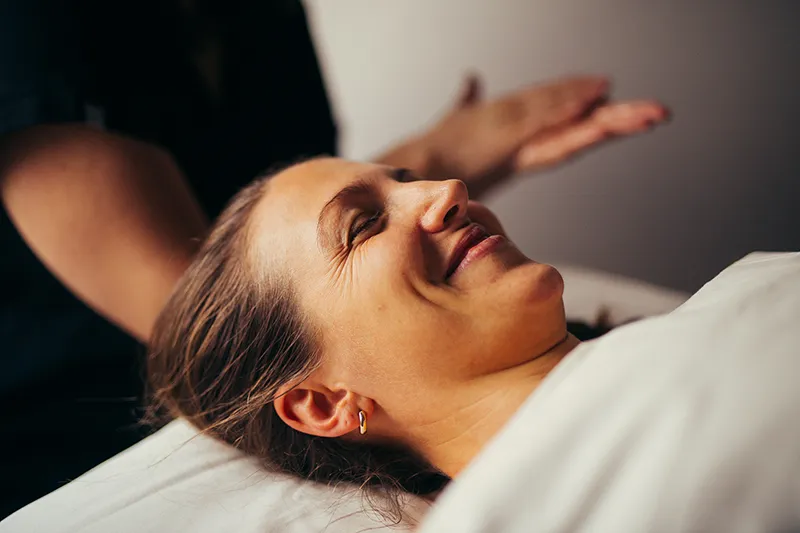
I mit énmands-klinik, Manual Therapies, tilbyder jeg en 75-minutters Vagus Nerven Massage, der er designet til at skabe dyb afslapning og balance i kroppen.
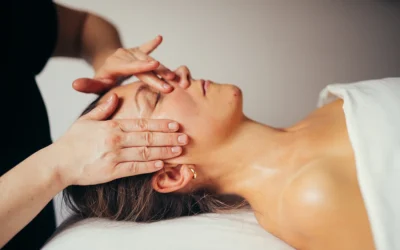
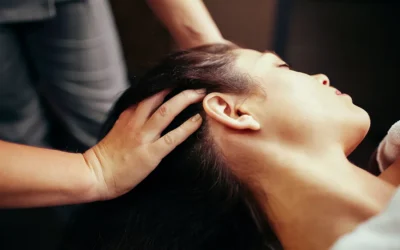
Massagen starter med en kort samtale, hvor vi afklarer dine behov og forventninger. Herefter påbegyndes behandlingen med lette tryk og stræk på de områder, hvor vagusnerven har særlig indflydelse, såsom nakke, skuldre og brystkassen. Jeg arbejder også med ansigtsmusklerne, hvor trykket omkring kæben og ørene kan bidrage til yderligere stimulering af vagusnerven.
Rummet er altid opvarmet til en komfortabel temperatur, der tilpasses efter dine præferencer. En behagelig og afslappende duft, f.eks. lavendel eller eucalyptus, fylder rummet og bidrager til at fremme ro og velvære. Jeg spiller blid, afslappende musik, medmindre du foretrækker stilhed under behandlingen.
Under massagen anvender jeg bløde massagebolde og varme kompresser, som hjælper med at løsne spændinger og forbedre cirkulationen i de behandlede områder.
Efter behandlingen vil du opleve en dyb følelse af afslapning og ro. Massagen hjælper med at reducere stress, forbedre fordøjelsen og understøtte din krops naturlige helingsprocesser. Mange klienter rapporterer også om bedre søvn og en øget følelse af indre balance efter en vagusnerven massage.
Jeg ser frem til at byde dig velkommen i Manual Therapies og hjælpe dig med at finde den ro og balance, din krop har brug for.
Additional treatments
Hoved treat
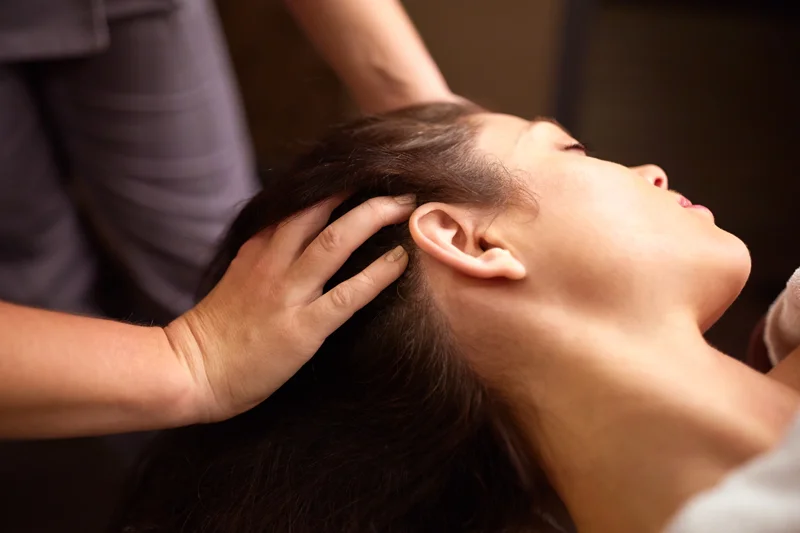
En afslappende hovedmassage, der lindrer spændinger i hovedbunden og nakken. Massagen hjælper med at reducere stress, forbedre blodcirkulationen til hovedet og fremme en følelse af dyb ro. Hovedmassagen kan integreres i din gravid massage for 250 DKK og varer 15 minutter.
Fodmassage med peeling
Denne behandling fokuserer på dine fødder, som ofte er belastede under graviditeten. Jeg begynder med en blid peeling, der fjerner døde hudceller og forbedrer blodcirkulationen, efterfulgt af en dybdegående fodmassage, der lindrer spændinger og efterlader dine fødder bløde og afslappede. Denne behandling kan tilføjes til din gravid massage for 250 DKK og varer 20 minutter.

Ekstra massage
Hvis du ønsker mere tid til at nyde den afslappende virkning af gravid massage, tilbyder jeg muligheden for at forlænge behandlingen. Du kan tilføje ekstra 30 minutter til din session for 250 DKK, hvilket giver mig mulighed for at fokusere endnu mere på de områder, hvor du har brug for det mest.
Vagus Nerve Q&A
What is Vagus Nerve Massage and how does it work?
Vagus Nerve Massage is a specialized treatment that aims to stimulate the vagus nerve, which is the longest cranial nerve in the body and plays a key role in regulating many of the body’s functions, including stress response, digestion and heart rate. Using specific techniques such as gentle pressure, stretching and focusing on muscle groups related to the vagus nerve, I can activate the parasympathetic nervous system, which promotes relaxation and recovery. This type of massage can help reduce stress, improve digestion and support the body’s natural healing processes.
Who can benefit from Vagus Nerve Massage?
Vagus Nerve Massage is particularly beneficial for people experiencing chronic stress, anxiety, digestive issues or symptoms of chronic inflammation. It is also suitable for those who have an overactive vagus nerve, which can cause symptoms such as dizziness, nausea and irregular heart rate. If you struggle with these challenges, this type of massage can be an effective way to bring calm and balance back to the body and help you manage these conditions naturally.
What conditions can Vagus Nerve Massage help with?
Vagus Nerve Massage can be an effective treatment for a wide range of conditions. As well as helping to reduce stress and anxiety, it can also improve digestion by stimulating the vagus nerve, which has a direct impact on the gastrointestinal system. It can also be beneficial for those suffering from chronic inflammation, cardiovascular problems or insomnia. By supporting the parasympathetic nervous system, massage can help reduce inflammatory processes in the body, stabilize blood pressure and promote deeper and more restful sleep.
Are there any contraindications for Vagus Nerve Massage?
There are certain contraindications that must be taken into account before a Vagus Nerve Massage. People with acute infections, recent surgery in the treated areas, severe heart problems or pregnant women without prior medical approval should avoid this treatment. If you have specific health concerns or suffer from a chronic condition, it is important that we discuss this in advance so that I can customize the treatment or advise you on whether it is appropriate for you.
How often should I get Vagus Nerve Massage to maintain good effect?
To achieve and maintain the best results from Vagus Nerve Massage, it is recommended to have the treatment regularly, usually every 2-4 weeks, depending on your individual needs and health condition. Regular stimulation of the vagus nerve can help keep stress levels down, continuously improve digestion and support the body’s overall wellbeing. By integrating this treatment into your lifestyle, you can maintain a lasting balance in your nervous system and an improved quality of life.
What allergens should I be aware of during treatment?
I only use hypoallergenic oils and products in my practice, but it’s always important to inform me of any specific allergies or skin sensitivities you may have. This allows me to customize the treatment and choose the right products to avoid any risk of allergic reactions. This way we can ensure that your experience is as comfortable and safe as possible.
How do I prepare for a Vagus Nerve Massage?
To get the most out of your Vagus Nerve Massage, I recommend that you arrive relaxed and well hydrated. Avoid heavy meals just before your treatment as this can affect your comfort during the massage. It’s also a good idea to dress in loose and comfortable clothing that can be easily taken on and off. If you have any special needs, preferences or concerns, it’s important to share these with me so I can customize the treatment according to your wishes.
How does a Vagus Nerve Massage feel?
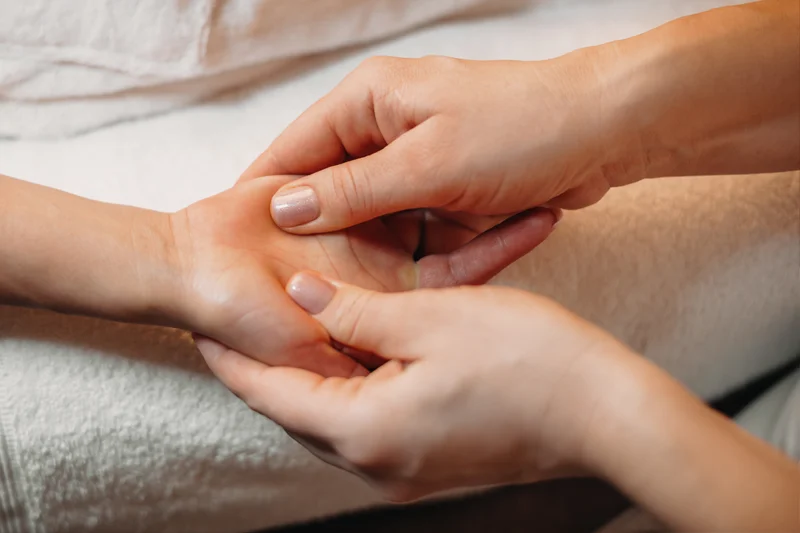
A Vagus Nerve Massage is a gentle and deeply relaxing experience. I work with light pressure and stretching, focusing on specific areas such as the neck, shoulders, chest and face. During the massage, you can feel a gradual release of tension, followed by a sense of calm and lightness. Many clients describe the massage as a pleasant and calming treatment that helps them release stress and find inner balance.
What techniques are used during Vagus Nerve Massage?
During a Vagus Nerve Massage, I use a combination of different techniques carefully selected to stimulate the vagus nerve. This includes gentle pressure, stretching and the use of massage balls to release tension in the muscles around the neck, shoulders and face. I also apply warm compresses to help increase blood circulation and promote relaxation. These techniques work together to activate the parasympathetic nervous system, leading to deep relaxation and recovery.
Can Vagus Nerve Massage be combined with other treatments?
Yes, Vagus Nerve Massage can be combined with other therapies to maximize the therapeutic effects. For example, reflexology or deep tissue massage can complement vagus nerve massage by focusing on other aspects of body health and wellness. If you need a more comprehensive treatment, I can tailor a combination session that addresses multiple areas of your health and helps you achieve optimal results.
Are there side effects with Vagus Nerve Massage?
Most people experience only positive effects after a Vagus Nerve Massage, such as deep relaxation, improved digestion and a feeling of general well-being. In rare cases, some people may experience mild dizziness or fatigue immediately after treatment, which usually disappears quickly. These reactions are typically a sign that the body is beginning to adjust and come into balance. It’s important to listen to your body after treatment and give yourself time to rest if you feel the need.
How can Vagus Nerve Massage help with overactive vagus nerve?
An overactive vagus nerve can lead to symptoms such as dizziness, nausea, irregular heart rate and digestive problems. Vagus Nerve Massage can help balance an overactive vagus nerve by reducing its overreaction to stress and restoring healthy nerve function. By working on specific muscle groups and using techniques that calm the nervous system, the massage can reduce symptoms and promote a sense of calm and stability. This can be particularly helpful for those who experience chronic or recurring problems with their vagus nerve.
Anatomy and Function
The vagus nerve originates in the brainstem and exits the skull through a small opening before traveling down through the neck and into the chest and abdominal cavity. Along its path, the nerve branches out to a wide range of organs, including the heart, lungs, and digestive system.
The vagus nerve consists of both motor and sensory fibers, meaning it can send signals from the brain to the body as well as receive information from the organs back to the central nervous system. Its function is primarily sensory, as it monitors the body’s internal state and ensures that the brain is continuously informed about how the organs are functioning. This two-way communication makes the vagus nerve a key player in regulating bodily functions and maintaining a healthy internal balance.
The Parasympathetic Nervous System
The parasympathetic nervous system is the part of the autonomic nervous system that helps the body relax and restore itself after periods of activity or stress. The vagus nerve plays a central role in this system, as it activates processes that promote relaxation, reduce stress, and support the body’s recovery.
When the vagus nerve is stimulated, signals are sent that lower heart rate, reduce blood pressure, and improve breathing. This allows the body to enter a state of calm in which it can repair and regenerate itself. A well-functioning parasympathetic nervous system is therefore essential for both physical and mental health, and the vagus nerve is the key to activating this natural balance.
The Autonomic Nervous System
The autonomic nervous system controls many of the body’s unconscious functions and consists of two main branches: the sympathetic and the parasympathetic nervous systems. The sympathetic nervous system is activated in stressful or demanding situations and prepares the body for fight or flight, while the parasympathetic nervous system—with the vagus nerve at the forefront—helps the body relax and restore itself.
The vagus nerve is essential for creating balance between these two systems, allowing the body to shift between activity and rest as needed. When this balance is maintained, the nervous system functions optimally, giving the body the best conditions to manage both stress and recovery.
Stimulation of the Vagus Nerve
Stimulation of the vagus nerve can have a significant positive effect on both body and mind. By activating the vagus nerve, you may experience reduced stress, improved digestion, lower blood pressure, and an overall sense of calm.
There are several ways to stimulate the vagus nerve, including deep breathing, meditation, yoga, and other relaxation techniques, all of which promote activity in the parasympathetic nervous system. Research also suggests that electrical stimulation of the vagus nerve may be an effective treatment for chronic inflammatory conditions and certain forms of depression.
Regardless of the method used, regular vagus nerve stimulation can help strengthen the body’s ability to cope with stress and support both physical and mental health.
Vagus Nerve Massage – Knowledge Base and Expert Articles
In this section, you will find a solid knowledge base and expert articles about vagus nerve massage and its importance for the nervous system, overall health, and well-being. Here, I share content grounded in current therapeutic knowledge, clinical practice, and a holistic approach to working with the body and the nervous system.
You can learn how the vagus nerve functions, what roles it plays in the body, when stimulation of the vagus nerve may be beneficial, and how vagus nerve massage can support stress reduction, improve digestion, enhance sleep quality, and promote emotional regulation. This is a space for those who seek a deeper understanding of their body, nervous system, and the mechanisms behind balance and recovery.
Masaż nerwu błędnego a neuralgia – jak regulacja układu nerwowego może zmniejszać ból neuropatycznyWprowadzenieNeuralgia jest jedną z najbardziej wymagających form bólu – często opisywaną jako piekąca, kłująca, przeszywająca lub pulsująca. Może pojawiać się nagle,...
“Massage, especially when directed at the vagus nerve, can play a significant role in regulating the autonomic nervous system and relieving symptoms of an overactive vagus nerve.” — Dr. Stephen Porges, expert in neurophysiology and vagus nerve researchIntroduction to...
“The vagus nerve plays a crucial role in regulating the body’s inflammatory response. Stimulation of the vagus nerve, such as through vagus nerve massage, can effectively reduce chronic inflammation and support the body’s natural healing processes.” — Dr. Kevin...
“Stimulation of the vagus nerve is essential for maintaining healthy cardiovascular function. By activating the parasympathetic nervous system, we can improve heart rate variability, lower blood pressure, and protect the heart from stress-related damage.” — Dr....
Next treatment
Buccal Massage
Feel free to contact me by phone or email.
📱 31 70 44 50
✉️ hello@manualtherapies.dk
📍Manual Therapies
Gasværksvej 12, st.th
1656 København V