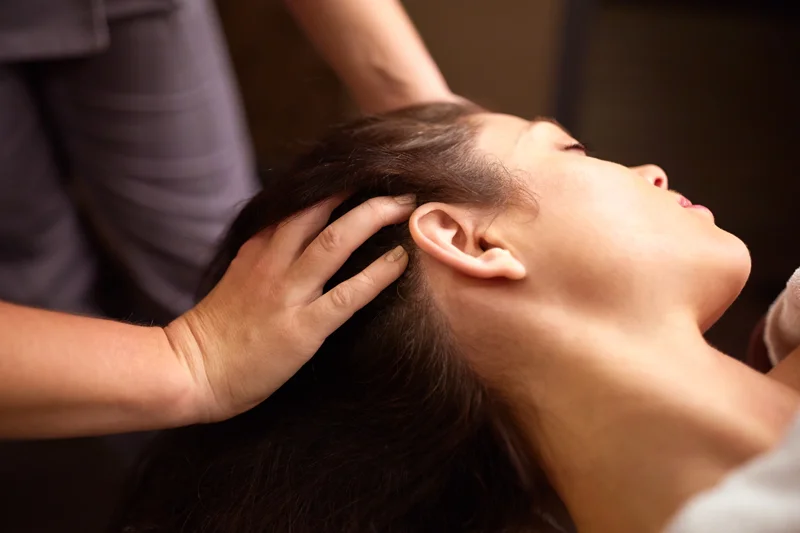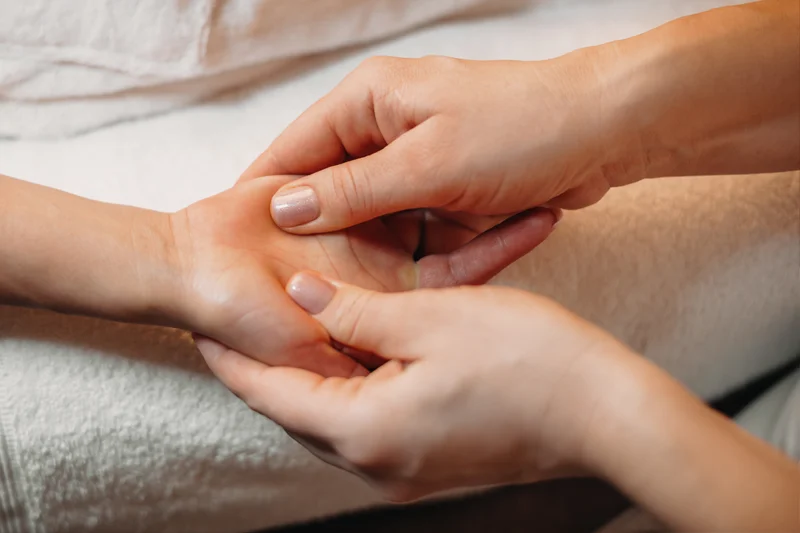

“Stimulating the vagus nerve is crucial for activating the body’s relaxation response. It acts as a natural regulator that helps restore balance after stressful events, which is invaluable for mental health.”
— Dr. Stephen Porges, author of the Polyvagal Theory
Introduction to the Vagus Nerve and Its Role in the Body
The vagus nerve, also known as the tenth cranial nerve, plays a crucial role in our overall health. Originating from the brainstem as a cranial nerve, it is one of the body’s most important nerves. It is often referred to as nervus vagus or “the wandering nerve” because it extends from the brain through the neck and chest down to the abdomen.
This nerve influences several vital organs, including the heart, lungs, and digestive system. The vagus nerve contains both motor fibers and predominantly sensory fibers that regulate and monitor organ functions such as heart activity, respiration, and digestion. As a central component of the nervous system, the vagus nerve has a direct impact on the body’s essential functions.
The vagus nerve is part of the parasympathetic nervous system, which controls the body’s “rest and digest” functions. This system works to restore balance after periods of stress and fight-or-flight responses.
The vagus nerve is responsible for regulating multiple bodily functions, including heart rate, digestion, and immune response. It therefore plays a key role in managing stress and anxiety. By understanding how the vagus nerve functions, we can harness its potential to reduce stress and promote relaxation.
How the Vagus Nerve Affects Stress and Anxiety
When we experience stress or anxiety, the sympathetic nervous system is activated. This prepares the body to respond to perceived threats by increasing heart rate, releasing adrenaline, and raising blood pressure. The vagus nerve counterbalances this response by activating the parasympathetic nervous system, helping the body return to a calm and relaxed state.
The vagus nerve also helps regulate mood and is involved in emotional challenges such as stress and anxiety. When the vagus nerve is affected by stress, dysfunction may occur, potentially leading to emotional imbalances.
By stimulating the vagus nerve, symptoms of stress and anxiety can be effectively reduced. This is often achieved through techniques such as deep breathing, meditation, and specific manual therapies like vagus nerve massage. When the vagus nerve is activated, heart rate slows, blood pressure decreases, and the body begins to feel calmer and less anxious.
Understanding the Function of the Vagus Nerve
To understand how the vagus nerve can be used to reduce stress and anxiety, it is important to understand its basic functions. One of its key roles is transmitting signals between the body and the brain, directly influencing the body’s ability to maintain balance.
The vagus nerve controls parasympathetic activity, helping maintain internal stability and homeostasis. It also plays a role in the release of neurotransmitters such as acetylcholine, which lowers heart rate and promotes a sense of calm. The vagus nerve positively affects the body’s ability to manage stress and inflammation.
Additionally, the vagus nerve regulates inflammatory responses in the body. Chronic inflammation is often associated with stress and anxiety, and by activating the vagus nerve, inflammation levels can be reduced—positively impacting mental health.
The Connection Between the Vagus Nerve and the Autonomic Nervous System
The autonomic nervous system consists of the sympathetic and parasympathetic nervous systems. While the sympathetic system is activated during stress, the parasympathetic system is responsible for relaxation and recovery.
The vagus nerve is the primary component of the parasympathetic system and functions as a “brake,” reducing the body’s physiological stress responses. It communicates with the central nervous system and can influence the body both directly through physical stimulation and indirectly through neural signaling.
The vagus nerve plays a decisive role in regulating the body’s stress response.
How to Activate the Vagus Nerve for Stress Reduction
There are several methods for activating the vagus nerve to reduce stress and anxiety. One of the most effective methods is vagus nerve massage, which directly stimulates the nerve through gentle pressure and movements along areas where the nerve runs close to the skin.
Other methods include deep breathing, meditation, and yoga, all of which enhance parasympathetic activity. These techniques can stimulate vagal activity and improve digestion, stress management, and overall well-being.
Regular stimulation improves vagal tone, meaning the nerve becomes more effective at regulating stress responses. This can lead to deeper relaxation and improved daily resilience.
The Importance of Vagus Nerve Massage in Manual Therapy
Manual therapy, including vagus nerve massage, is a specialized treatment that directly affects the body’s ability to regulate stress. This massage targets the vagus nerve and can influence breathing, digestion, and headaches.
It is particularly beneficial for individuals experiencing stress or anxiety, as it addresses not only symptoms but also underlying physiological causes. As part of a holistic treatment plan, vagus nerve massage can significantly improve mental and physical well-being.
How Vagus Nerve Massage Works on the Parasympathetic Nervous System
Vagus nerve massage stimulates the parasympathetic nervous system, helping the body recover from stress. Activation of the vagus nerve releases neurotransmitters that lower heart rate, reduce blood pressure, and promote relaxation.
It may also reduce inflammation, which is important since chronic inflammation is often linked to stress and anxiety.
Physiological Effects of Vagus Nerve Massage
Vagus nerve massage produces several physiological benefits, including:
-
Lowered heart rate, promoting calm and relaxation
-
Reduced blood pressure, supporting cardiovascular health
-
Improved digestion, as the vagus nerve regulates digestive processes
-
Enhanced overall well-being, contributing to mental clarity and relaxation
Mental Health Benefits of Vagus Nerve Massage
Vagus nerve massage is effective not only for stress and anxiety reduction but also for improving sleep quality, mood regulation, and mental clarity. It may help alleviate symptoms of depression and support emotional balance.
It can also benefit individuals with post-traumatic stress disorder (PTSD) by regulating stress responses and reducing physiological symptoms.
How Vagus Nerve Massage Reduces Anxiety Symptoms
Anxiety often results from an overactive sympathetic nervous system. Vagus nerve massage counteracts this by activating the parasympathetic system.
Activation releases acetylcholine, reducing anxiety levels and promoting calm. Vagus nerve dysfunction can worsen anxiety, making regulation of emotions more difficult.
Vagus Nerve Massage and Heart Rate Regulation
One of the key benefits of vagus nerve massage is heart rate regulation. Activation of the nerve lowers heart rate, helping the body recover from stress and maintain cardiovascular balance.
Regular massage can help reduce the risk of stress-related illnesses.
Vagus Nerve Massage as Part of a Holistic Treatment Plan
For best results, vagus nerve massage should be part of a holistic approach including manual therapy, deep breathing, meditation, healthy nutrition, and regular exercise.
This comprehensive approach enhances long-term well-being and stress resilience.
How Vagus Nerve Massage Improves Digestion and Well-Being
The vagus nerve stimulates digestive enzymes and intestinal peristalsis. Massage activation can reduce bloating, constipation, and irritable bowel symptoms while improving nutrient absorption and gut balance.
Recommended Techniques for Vagus Nerve Massage
-
Gentle strokes along the neck
-
Light pressure around the ears
-
Deep breathing combined with massage
-
Techniques targeting the soft palate when relevant
These methods can be performed professionally or as part of self-care.
When to Consider Vagus Nerve Massage
Vagus nerve massage is beneficial for chronic stress, anxiety, digestive issues, sleep disturbances, and general tension. Persistent symptoms may indicate the need for treatment.
Consult a healthcare professional if you have existing medical conditions.
Benefits of Regular Vagus Nerve Massage
-
Reduced stress and anxiety
-
Improved sleep quality
-
Increased sense of calm and well-being
Scientific Research on the Vagus Nerve and Stress
Studies show that vagus nerve stimulation improves vagal tone and stress resilience. Individuals with higher vagal tone are less prone to chronic stress and enjoy better overall health.
Safety and Precautions
Vagus nerve massage is generally safe but individuals with serious heart conditions or epilepsy should consult a physician. Treatment should always be performed by a qualified therapist.
Choosing the Right Therapist
Select a therapist trained in manual therapy with experience in vagus nerve massage. Reviews and recommendations can help guide your choice.
Vagus Nerve Massage: A Guide to Self-Care
Gentle neck strokes, ear stimulation, and deep breathing can be practiced at home. Always apply light pressure and proceed with care.
Frequently Asked Questions
What is the vagus nerve?
It is part of the parasympathetic nervous system and regulates stress responses.
Is vagus nerve massage safe?
Yes, generally safe with proper guidance.
How often should I receive treatment?
Frequency depends on individual needs.
Conclusion: Vagus Nerve Massage as a Key to Stress Management
Vagus nerve massage is a powerful tool for reducing stress and anxiety by activating the parasympathetic nervous system. Regular treatment supports mental health, relaxation, and overall well-being.
Manual Therapies offers specialized treatments designed to help you achieve lasting calm and balance.
If you want, I can next:
-
shorten this into a high-converting landing page,
-
optimize it further for English SEO, or
-
create a medical-style vs. lifestyle-style version for different audiences.