
“Massage, especially when directed at the vagus nerve, can play a significant role in regulating the autonomic nervous system and relieving symptoms of an overactive vagus nerve.”
— Dr. Stephen Porges, expert in neurophysiology and vagus nerve research
Introduction to the vagus nerve and its role in the body
The vagus nerve, also known as “the wandering nerve” or nervus vagus, is one of the most important nerves in the central nervous system and originates in the brainstem. The vagus nerve connects the brain with nearly all internal organs, including the heart, lungs, stomach, intestines, liver, spleen, and kidneys. It runs from the brain down through the neck into the chest and abdomen, where it influences many vital organs, particularly the heart, lungs, and digestive system.
The vagus nerve controls digestion and sends sensory information to the brain about the condition of the body’s organs. It plays a central role in the parasympathetic nervous system, which is responsible for the body’s “rest and digest” functions.
At Manual Therapies, we recognize the crucial importance of the vagus nerve for overall health and well-being. An imbalanced or overactive vagus nerve can cause a wide range of uncomfortable symptoms that affect both physical and mental health. In this article, we explore what an overactive vagus nerve is, which symptoms it may cause, and how massage can help restore balance to this essential nerve.
What is an overactive vagus nerve and how does it affect the body?
An overactive vagus nerve occurs when the nerve sends excessive signals to the body’s organs and systems, leading to a range of unwanted symptoms. When the vagus nerve is overstimulated, it can excessively activate the parasympathetic nervous system, resulting in downregulation of vital functions such as heart rate and blood pressure. Problems with the vagus nerve can therefore disrupt normal bodily functions.
This condition may arise due to various factors, including chronic stress, anxiety, digestive issues, or infections. The vagus nerve helps the body restore balance by sending sensory information from the organs to the brain. When it becomes overactive, symptoms may range from mild discomfort to more serious health concerns.
If the vagus nerve does not function optimally, the body may remain in a constant “fight-or-flight” state, increasing the risk of cardiovascular problems. Understanding how this condition affects the body is essential for choosing the right treatment approach.
Common symptoms of an overactive vagus nerve
Symptoms of an overactive vagus nerve vary from person to person, but the most common include:
-
Dizziness and fainting: Sudden drops in blood pressure caused by excessive vagal activity can lead to dizziness or syncope.
-
Slow heart rate (bradycardia): Overstimulation of the vagus nerve can slow the heart rate, causing fatigue, lightheadedness, and irregular heartbeats.
-
Digestive problems: Since the vagus nerve plays a key role in digestion, overactivity may cause nausea, vomiting, diarrhea, constipation, or bloating.
-
Breathing difficulties: Some individuals experience shortness of breath or a sensation of tightness in the chest.
-
Emotional instability: An imbalanced vagus nerve can also affect mental health, leading to anxiety, depression, or sudden mood swings.
These symptoms can significantly impact quality of life. Fortunately, there are natural ways to regulate vagal activity, and massage is one of the most effective methods.
Causes of vagus nerve dysfunction
Vagus nerve problems often arise from a combination of physical and psychological factors that disrupt the autonomic nervous system. Stress and anxiety are among the most common triggers, as they disturb the balance between the sympathetic and parasympathetic systems. Chronic tension may lead to overstimulation or compression of the vagus nerve, a condition often described as a “trapped vagus nerve.”
Digestive disorders, infections, and muscular tension in the neck and throat can also negatively affect the vagus nerve. Because this nerve regulates breathing, digestion, and heart rhythm, even minor imbalances may cause symptoms such as dizziness, digestive discomfort, and anxiety. Paying attention to these signs and seeking treatment early is essential.
Consequences of an overactive or compressed vagus nerve
When the vagus nerve is overactive or compressed, it can have far-reaching effects on both physical and mental health. Physical symptoms such as dizziness, constipation, and digestive disturbances are common, as the vagus nerve plays a vital role in gut-brain communication.
Mentally, an overactive vagus nerve may contribute to anxiety, depression, and emotional instability. Since the vagus nerve helps regulate mood and stress levels, dysfunction can quickly affect psychological well-being. Addressing symptoms early helps prevent long-term consequences for both body and mind.
How massage helps balance an overactive vagus nerve
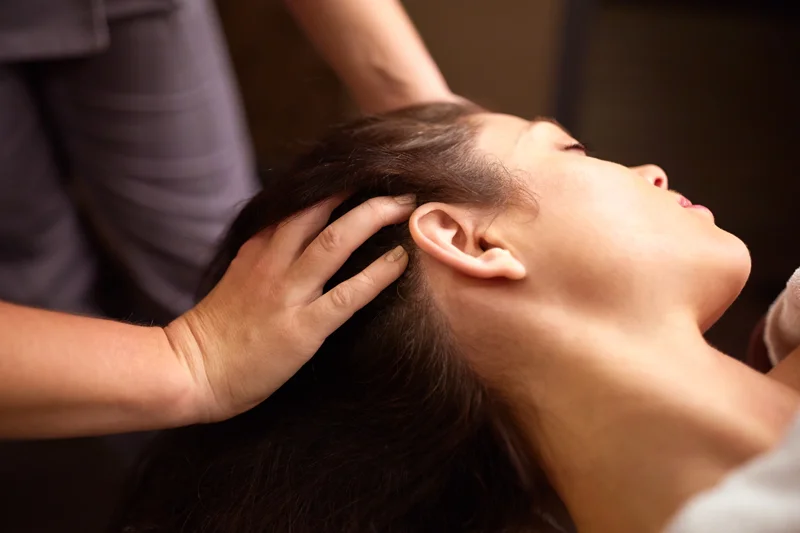
Massage is a well-established therapy known for its calming and restorative effects. When applied specifically to support vagus nerve regulation, massage can be highly effective. Targeted techniques help calm the nervous system, reduce stress, and gently stimulate the vagus nerve in a way that restores balance.
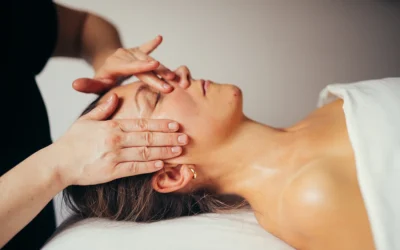
Manual therapies such as craniosacral therapy and gentle mobilization of the upper cervical spine can improve vagus nerve function by releasing tension around the neck and skull. Massage also enhances circulation, relieves muscular tension, and promotes overall relaxation—key factors in reducing symptoms of an overactive vagus nerve.
Benefits of vagus nerve massage for symptom relief
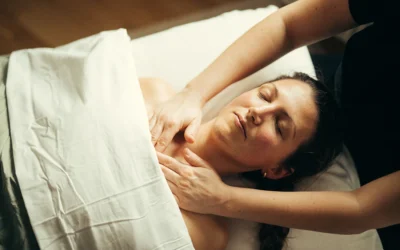
Vagus nerve massage is a specialized technique that focuses on gentle stimulation along the neck and chest, where the nerve runs close to the surface. Benefits include:
-
Reduced stress and anxiety: Stimulation of the vagus nerve lowers cortisol levels and promotes deep relaxation.
-
Improved heart function: Helps regulate heart rate and may relieve symptoms of bradycardia.
-
Better digestion: Supports gastrointestinal function and reduces symptoms such as nausea, bloating, and irregular bowel movements.
-
Easier breathing: Promotes relaxation of respiratory muscles and improves breathing patterns.
These effects make vagus nerve massage a powerful, natural treatment for overactive vagus nerve symptoms.
The vagus nerve and the autonomic nervous system
The vagus nerve is the primary nerve of the parasympathetic nervous system, which counteracts stress responses and promotes healing. It regulates involuntary functions such as heart rate, digestion, breathing, and emotional regulation.
When the vagus nerve is overactive, it may excessively slow heart rate and lower blood pressure. Massage helps normalize this activity, restoring balance between the sympathetic and parasympathetic systems.
How vagus nerve massage works on the nervous system
Vagus nerve massage stimulates key areas along the neck and chest, improving communication between the brain and internal organs. Enhanced blood flow reduces inflammation and muscle tension, creating a positive feedback loop that supports relaxation and nervous system regulation.
Additional stimulation of the vagus nerve can be achieved through lifestyle practices such as singing, meditation, gentle exercise, and controlled breathing.
Overactive vagus nerve, stress, and anxiety
Although the vagus nerve typically reduces stress, excessive stimulation may paradoxically increase anxiety due to physical symptoms like irregular heart rhythm or digestive discomfort. Calm, deep breathing naturally stimulates the vagus nerve and promotes relaxation.
Massage helps break this cycle by restoring balanced nerve signaling and reducing stress-related symptoms.
Massage as a natural treatment for an overactive vagus nerve
Massage is a safe, non-invasive, and effective treatment that supports the body’s natural healing processes. It can be combined with nutrition, movement, and mindfulness practices for a holistic approach to health.
Alternative therapies for overactive vagus nerve
In addition to massage, therapies such as osteopathy, craniosacral therapy, gentle neck mobilization, deep breathing, and mindfulness practices can help regulate vagus nerve activity. A holistic lifestyle approach often provides the best long-term results.
Why choose massage instead of medication?
While medication may alleviate symptoms, it often comes with side effects and addresses symptoms rather than root causes. Massage works with the body naturally, improving vagus nerve regulation and overall well-being without pharmaceutical intervention.
Scientific evidence on massage and the vagus nerve
Research shows that massage increases vagal tone and reduces stress hormones. A study published in the Journal of Alternative and Complementary Medicine demonstrated significant improvements in autonomic regulation following massage therapy, supporting its effectiveness for vagus nerve dysfunction.
Improving quality of life with vagus nerve massage
For individuals living with an overactive vagus nerve, massage can dramatically improve daily functioning by reducing dizziness, digestive problems, and anxiety. Regular treatment supports relaxation, emotional balance, and long-term nervous system health.
Frequently asked questions
How does massage help an overactive vagus nerve?
By stimulating and regulating vagal activity, massage restores balance in the autonomic nervous system.
How often should I receive treatment?
Frequency depends on symptoms, but regular sessions (e.g., biweekly) are often recommended.
Can massage be combined with other therapies?
Yes, massage works well alongside lifestyle changes, exercise, and stress management.
Are there side effects?
Side effects are rare; most clients feel relaxed and calm after treatment.
How do I know if I have an overactive vagus nerve?
Symptoms such as dizziness, slow heart rate, digestive issues, or anxiety may indicate vagal overactivity. Consult a healthcare professional for diagnosis.
Conclusion: Treating an overactive vagus nerve with massage
An overactive vagus nerve can cause a wide range of physical and emotional symptoms. Massage is a natural, effective treatment that helps regulate vagal activity and restore balance. By reducing dizziness, slow heart rate, digestive problems, and anxiety, vagus nerve massage supports overall well-being and quality of life.
At Manual Therapies, we offer specialized vagus nerve massage treatments designed to help you achieve better balance, health, and relaxation.
Contact and book your vagus nerve massage at Manual Therapies
If you would like to experience the benefits of vagus nerve massage and relieve symptoms of an overactive vagus nerve, you are welcome to contact Manual Therapies. Our experienced therapists are here to support your journey toward a healthier, more balanced body. Book your appointment today.