
“Stimulation of the vagus nerve is essential for activating the body’s relaxation response. It functions as a natural regulator that helps restore balance after stressful events, which is invaluable for mental health.”
— Dr. Stephen Porges, author of the Polyvagal Theory
Introduction to the vagus nerve and its role in the body
The vagus nerve, also known as nervus vagus, is a vital part of the nervous system and plays a key role in overall health. As the tenth cranial nerve, it extends from the brain down to the abdomen and influences several vital organs, including the heart, lungs, and digestive system. Along its pathway through the body, the vagus nerve sends signals between the brain and multiple organs to regulate essential bodily functions.
The vagus nerve is part of the parasympathetic nervous system, which controls the body’s “rest and digest” functions. This system works to bring the body back into balance after periods of stress and fight-or-flight responses.
The vagus nerve is responsible for regulating several bodily functions, including heart rate, digestion, and immune response. It also plays a crucial role in communication between the gut and the brain, known as the gut–brain axis. It is therefore no surprise that this nerve is deeply involved in stress and anxiety regulation. By understanding how the vagus nerve functions, we can harness its potential to reduce stress and promote relaxation. Vagus nerve massage focuses on areas where the nerve is most accessible, from the brainstem through the neck and down toward the organs.
How the vagus nerve affects stress and anxiety
When we experience stress or anxiety, the sympathetic nervous system is activated, preparing the body to deal with threats by increasing heart rate, releasing adrenaline, and raising blood pressure. The vagus nerve acts as a counterbalance to this response by activating the parasympathetic nervous system, which helps the body return to a calm and relaxed state.
By using techniques that stimulate the vagus nerve, symptoms of stress and anxiety can be effectively reduced. This is often achieved through practices such as deep breathing, meditation, and specific manual therapies, including vagus nerve massage. Becoming aware of pauses in your breathing can be part of an optimal breathing cycle that stimulates the vagus nerve. Singing or humming can also stimulate the vagus nerve through vibrations of the vocal cords. Yoga and meditation support vagus nerve activation through physical movement and mindfulness.
When the vagus nerve is activated, heart rate slows, blood pressure decreases, and the body begins to feel more relaxed and less anxious, leading to improved stress management and overall health.
Understanding the function of the vagus nerve
Research suggests that the vagus nerve plays a significant role in both physical and mental health.
To understand how the vagus nerve can be used to reduce stress and anxiety, it is important to understand its core functions. The vagus nerve is a central component of the autonomic nervous system and controls parasympathetic activity, helping to maintain internal stability and balance. It also plays a role in the release of neurotransmitters such as acetylcholine, which helps slow heart rate and promote a sense of calm. Research shows that the vagus nerve is central to regulating the body’s relaxation response and counteracting stress.
Additionally, the vagus nerve is involved in regulating inflammatory responses in the body. Chronic inflammation is often associated with stress and anxiety, and activating the vagus nerve can help reduce inflammation levels, positively impacting mental health. Studies indicate that vagus nerve activation can downregulate the production of pro-inflammatory cytokines, which play a key role in inflammatory conditions.
The connection between the vagus nerve and the autonomic nervous system
The autonomic nervous system consists of the sympathetic and parasympathetic nervous systems. While the sympathetic system is activated during stressful situations, the parasympathetic system is responsible for relaxation and recovery. The vagus nerve is the most important component of the parasympathetic system and acts as a “brake” within the nervous system, helping to reduce physiological stress reactions.
The vagus nerve sends signals between the brain and the body to regulate vital physiological processes such as heart rate, digestion, and inflammatory response. By targeting the vagus nerve through various therapeutic methods, the body’s ability to cope with stress can be improved—especially beneficial for individuals experiencing chronic stress or anxiety.
How to activate the vagus nerve for stress reduction
There are several methods to activate the vagus nerve and reduce stress and anxiety. One of the most effective methods is vagus nerve massage, which directly stimulates the nerve through gentle pressure and movements along areas where it runs close to the skin’s surface. Other methods include deep breathing, where slow and deep inhalation activates the vagus nerve, as well as meditation and yoga, both of which promote parasympathetic activity.
Regular engagement in these practices can improve vagal tone, meaning the nerve becomes more effective at regulating the body’s stress response. This can lead to a deeper sense of calm and well-being in everyday life.
The importance of vagus nerve massage in manual therapy
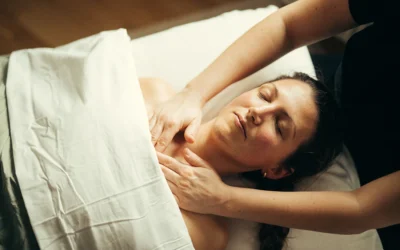
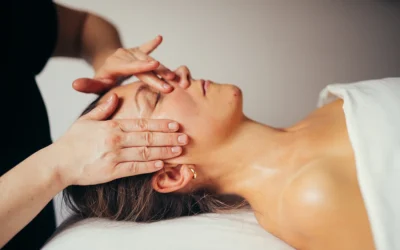
Manual therapy, including vagus nerve massage, is a specialized treatment approach that focuses on relieving physical and mental stress through targeted techniques. Vagus nerve massage is particularly effective because it directly supports the body’s ability to regulate stress and can be considered an effective treatment for several conditions.
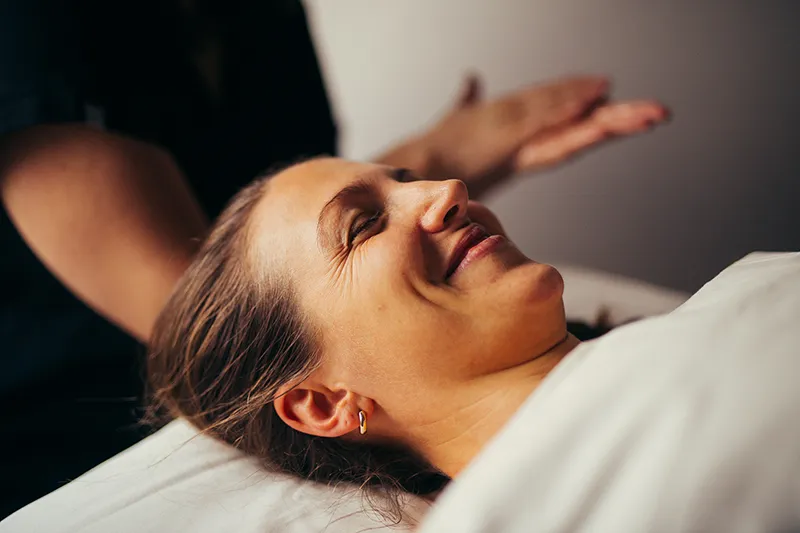
By stimulating the vagus nerve, this form of massage helps bring the body into a state of deep relaxation, which is essential for reducing chronic stress and anxiety. This therapy can be especially helpful for individuals experiencing stress or anxiety, as it not only alleviates symptoms but also addresses underlying physiological causes.
When included in a holistic treatment plan, vagus nerve massage can lead to significant improvements in both mental and physical well-being. Clinical studies have also shown that electrical vagus nerve stimulation can be an effective treatment for depression and autoimmune disorders.
How vagus nerve massage works on the parasympathetic nervous system
Vagus nerve massage works by stimulating the parasympathetic nervous system, with the vagus nerve playing a central role in helping the body recover from stress. When the vagus nerve is activated, neurotransmitters are released that lower heart rate, reduce blood pressure, and promote a sense of calm and relaxation.
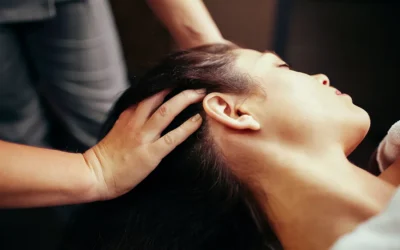
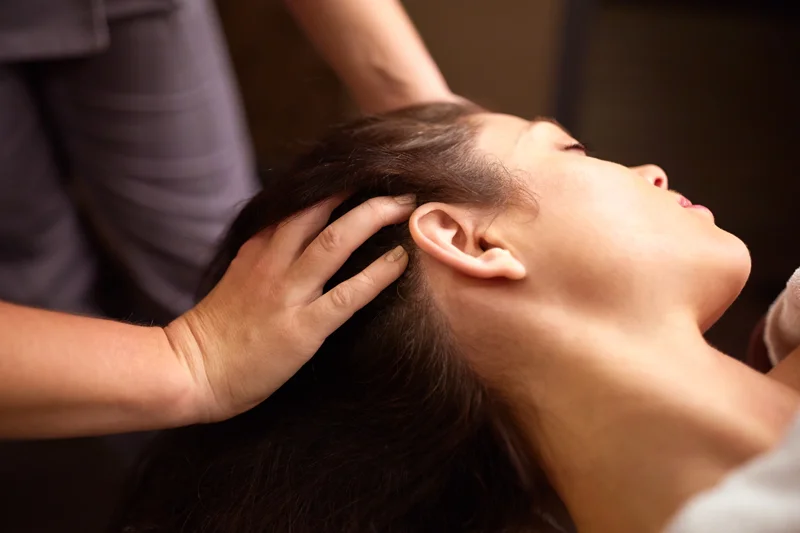
Massage of the ear—especially the inner ear—can stimulate the vagus nerve and support these health benefits. This type of massage can also help reduce inflammation, which is important since chronic inflammation is often linked to stress and anxiety. By lowering inflammation levels, vagus nerve massage can enhance overall health and well-being.
How the vagus nerve influences breathing
The vagus nerve plays a central role in regulating breathing and is essential for both physical and mental health. As you breathe, the vagus nerve sends signals to the lungs and respiratory muscles, helping regulate the rhythm and depth of breathing. When the vagus nerve is active, it promotes calm and deep breathing, which effectively reduces stress and anxiety.
By stimulating the vagus nerve—through deep breathing or gentle massage—you can achieve a more relaxed and efficient breathing pattern. This benefits mental health and also supports the body’s ability to combat chronic inflammatory conditions and autoimmune diseases. A well-functioning vagus nerve helps keep both body and mind in balance.
Where is the vagus nerve located, and how can it be influenced?
The vagus nerve originates in the brain and runs down through the neck, passing close to vital organs such as the heart, lungs, and digestive system before ending in the abdomen. Because it connects to so many essential body systems, it can be influenced in multiple ways to promote relaxation and reduce chronic stress and anxiety.
You can activate the vagus nerve through deep breathing, meditation, yoga, and gentle massage—all methods that help calm the body and restore nervous system balance. A holistic lifestyle that includes healthy nutrition, regular exercise, and adequate sleep also supports vagus nerve function and overall physical and mental health.
Physiological effects of vagus nerve massage
Vagus nerve massage has several physiological effects that contribute to stress reduction and improved mental health, including:
-
Lower heart rate: Activating the vagus nerve helps slow the heart rate, promoting calm and relaxation.
-
Reduced blood pressure: Massage can lower blood pressure, reducing the risk of cardiovascular disease.
-
Improved digestion: Stimulation of the vagus nerve enhances digestive function.
-
Increased well-being: The combined effects lead to deeper well-being and mental calm.
Research has shown promising results, particularly in the treatment of depression, autoimmune diseases, and inflammatory conditions. Studies also indicate that vagus nerve stimulation can be effective in managing chronic stress, anxiety, and depression.
The many mental health benefits of vagus nerve massage
Vagus nerve massage is not only effective in reducing stress and anxiety but also offers numerous benefits for mental health. By activating the vagus nerve, massage can reduce depressive symptoms, improve sleep quality, and enhance mental clarity.
It can also benefit individuals with post-traumatic stress disorder (PTSD) by helping regulate the stress response and reduce physiological symptoms. With regular treatment, clients often experience significant improvements in mental health and quality of life.
How vagus nerve massage reduces anxiety symptoms
Anxiety often results from an overactive stress response dominated by the sympathetic nervous system. Vagus nerve massage counteracts this by stimulating the parasympathetic nervous system, helping the body return to a relaxed state.
When the vagus nerve is activated through massage, neurotransmitters such as acetylcholine are released, reducing anxiety levels and promoting calm. This physiological response is key to the effectiveness of vagus nerve massage in anxiety management.
Vagus nerve massage and heart rate regulation
One of the primary ways vagus nerve massage reduces stress and anxiety is by regulating heart rate. Activation of the vagus nerve slows the heart rate, helping the body recover from stress and restore calm.
Maintaining healthy heart rate regulation is essential for a balanced stress response. Including vagus nerve massage in your regular wellness routine can help maintain cardiovascular health and reduce the risk of stress-related conditions.
Vagus nerve massage as part of a holistic treatment plan
For optimal stress and anxiety reduction, vagus nerve massage is most effective when included in a holistic treatment plan. This may involve a combination of manual therapy, deep breathing, meditation, healthy nutrition, and regular exercise.
A holistic approach maximizes the benefits of vagus nerve massage, improves overall quality of life, and supports long-term well-being.
How vagus nerve massage improves digestion and well-being
The vagus nerve plays a central role in digestion by stimulating digestive enzyme production and promoting peristalsis—the wave-like movements that move food through the digestive tract. Activating the vagus nerve through massage can improve digestion and reduce issues such as bloating, constipation, and irritable bowel syndrome.
Improved digestion enhances nutrient absorption, contributing to overall well-being. Incorporating vagus nerve massage into your wellness routine supports both digestive and mental health.
Recommended techniques for vagus nerve massage
Several techniques can be used to maximize the stress-reducing benefits of vagus nerve massage:
-
Gentle strokes along the neck
-
Light pressure around the ears
-
Deep breathing combined with massage
These techniques can be performed by a professional therapist or as part of self-care. Regular practice helps maintain healthy vagal tone and improves stress resilience.
When to consider vagus nerve massage
Vagus nerve massage is especially beneficial for individuals experiencing chronic stress, anxiety, digestive issues, sleep problems, or reduced overall well-being. Always consult a healthcare professional before starting a new treatment, particularly if you have underlying medical conditions.
Benefits of regular vagus nerve massage
Regular vagus nerve massage offers numerous benefits, including reduced stress and anxiety, improved sleep quality, and enhanced overall well-being.
Scientific research on the vagus nerve and stress
Numerous studies support the effectiveness of vagus nerve stimulation in reducing stress and anxiety. Higher vagal tone is associated with better stress resilience and improved overall health.
Safety and precautions
Vagus nerve massage is generally safe, but individuals with serious heart conditions or epilepsy should consult a physician first. Treatments should be performed by a qualified therapist.
Choosing the right therapist
Select a therapist with specialized training in manual therapy and experience with vagus nerve massage. Reviews and recommendations can help ensure quality care.
Vagus nerve massage: a guide to self-treatment
While professional treatment is recommended, gentle self-massage techniques—such as light neck strokes, ear stimulation, and deep breathing—can help stimulate the vagus nerve safely at home.
Frequently asked questions about vagus nerve massage
What is the vagus nerve and its role in stress management?
It is part of the parasympathetic nervous system and regulates the body’s stress response.
How does vagus nerve massage work?
It stimulates the nerve, activating relaxation responses such as reduced heart rate and blood pressure.
Is vagus nerve massage safe?
Yes, generally safe, but consult a healthcare professional if you have medical conditions.
How often should I receive treatment?
Frequency depends on individual needs and should be discussed with a therapist.
Can I perform it myself?
Yes, gentle techniques can be used at home, but professional treatment yields the best results.
Conclusion: Vagus nerve massage as a key to stress management
Vagus nerve massage is a powerful method for reducing stress and anxiety by activating the parasympathetic nervous system. Regular treatment supports mental health, lowers stress levels, and enhances overall well-being.
Manual Therapies offers specialized treatments designed to help you achieve deep relaxation and balance.
Client testimonials
“I’ve struggled with chronic stress for years, but after just a few sessions of vagus nerve massage I felt tremendous relief. It truly changed my life.” – Marianne
“Vagus nerve massage at Manual Therapies has helped me manage my anxiety better than any other treatment. Highly recommended.” – Anders
Integrating vagus nerve massage into your daily routine
To maximize benefits, incorporate vagus nerve massage into your daily or weekly routine, combining professional sessions with self-care techniques at home.
Contact and further information
If you would like to learn more about how vagus nerve massage can help reduce stress and anxiety, contact Manual Therapies. Our experienced therapists are ready to help you find the best treatment plan for your needs.