“Massage has a direct effect on muscle elasticity and blood circulation, which not only improves physical performance but also promotes a deep sense of well-being.”
— Dr. Tiffany Field, University of Miami
Stress is an unavoidable part of everyday life for many people, whether it is caused by work, personal commitments, or external factors. Although we cannot eliminate all stressors, we can take control of how our body responds to stress. A relaxing body massage creates calm in both body and mind and prioritizes holistic relaxation, making it especially effective for reducing stress levels. Body massage works on both physical and psychological levels and therefore contributes to overall mental well-being.
What Is Stress and How Does It Affect the Body?
When we talk about stress, we often refer to a state of mental or physical pressure that activates the body’s “fight-or-flight” response. This leads to the release of hormones such as cortisol, which increases heart rate and muscle tension and affects our mental state. Stress can also cause muscle stiffness, which may worsen discomfort if left untreated.
Elevated cortisol levels over time can have serious consequences for our health. It can lead to problems such as insomnia, high blood pressure, headaches, and even depression. Therefore, it is essential to find ways to reduce stress and regulate the body’s hormonal balance.

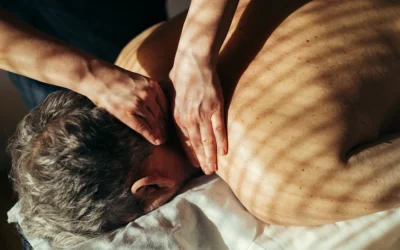
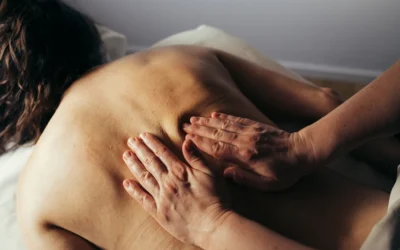
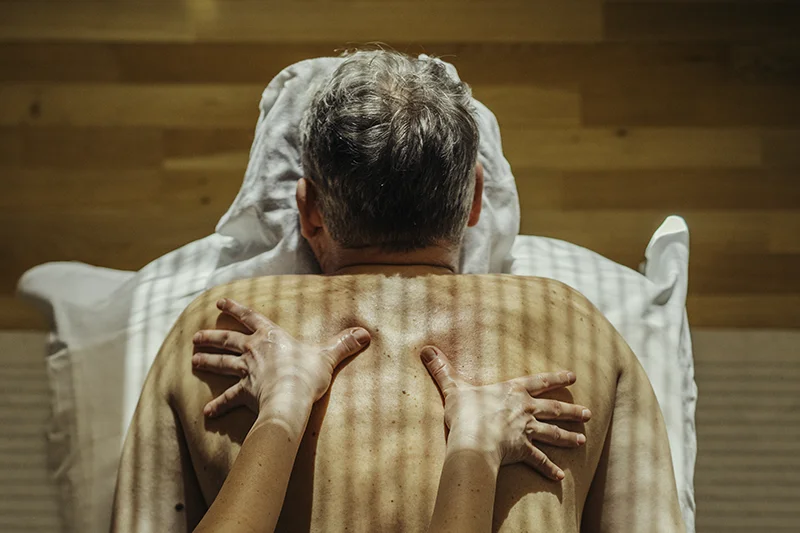
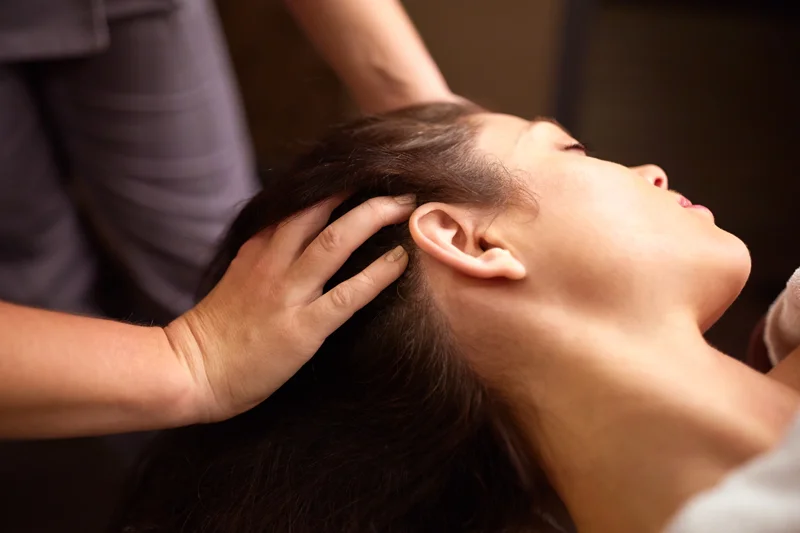
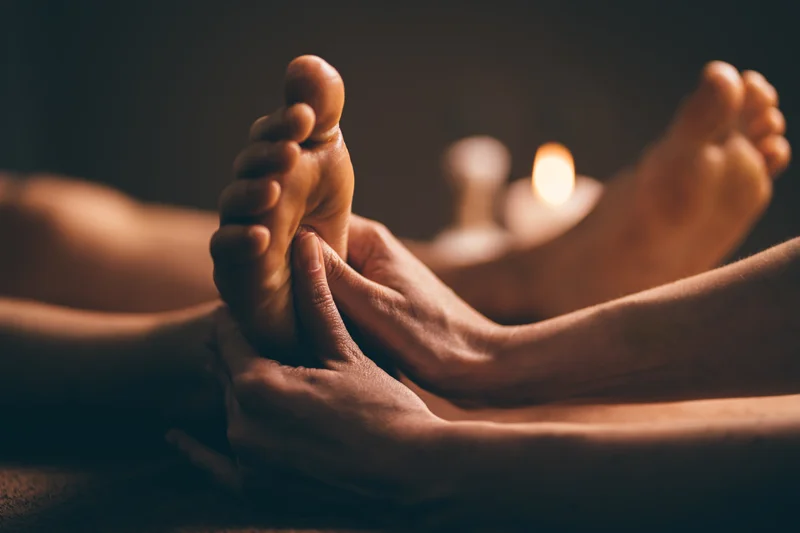
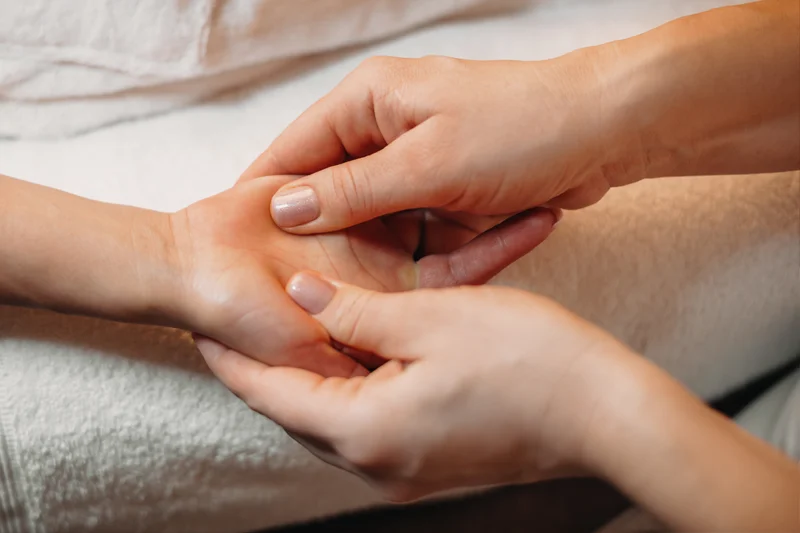
A therapist performs a body massage to lower the stress hormone cortisol and promote deep relaxation in the client.
Massage as an Effective Method to Reduce Stress Hormones
Relaxation massage is one of the most effective natural treatments for stress reduction. The rhythmic pressure and flowing strokes calm the nervous system and promote the release of endorphins — the body’s natural “feel-good” hormones. At the same time, massage lowers cortisol levels, helping restore hormonal balance.
Research shows that individuals who receive regular body massage experience measurable reductions in cortisol. Lower cortisol levels are directly associated with improved mental clarity, emotional balance, and reduced physical symptoms of stress.
Physical Relaxation Through Massage
During a body massage, the therapist works methodically to release tension in muscles and connective tissue. Deep tissue techniques may be combined with lighter relaxation strokes to target areas such as the neck, shoulders, back, arms, and legs.
Reduced muscle tension improves blood circulation and decreases the physical burden that stress places on the body. Psychological stress often manifests as tightness in the neck and upper back, which over time can develop into chronic discomfort. Massage interrupts this cycle by restoring mobility and relaxation.
Preparation and Aftercare: How to Get the Most Out of Your Massage
To achieve maximum benefit from your massage, arrive a few minutes early to allow your body and mind to settle. Drink water beforehand and avoid heavy meals. After the session, continue hydrating and allow your body time to integrate the effects of the treatment. Gentle stretching can help maintain flexibility and prolong relaxation.
If deeper techniques were used, avoid intense physical activity the same day to allow proper muscle recovery.
Massage as Mental Relief
Massage is not only a physical therapy but also a mental reset. During a body massage, you disconnect from daily pressures and focus on breathing and bodily sensations. This mindful state supports emotional regulation and nervous system balance.
Many clients describe the experience as both physical and psychological renewal — a sense of clarity, calm, and lightness that can last several days after the session.
Ethics and Hygiene in Body Massage
Professional massage practice prioritizes hygiene and ethical standards. Clean treatment rooms, fresh linens, proper hand hygiene, and respectful communication are essential elements of a safe therapeutic environment.
Clients should always feel comfortable communicating preferences regarding pressure, tempo, and focus areas. Any relevant medical conditions or recent surgeries should be disclosed prior to treatment to ensure safety.
Massage in Vesterbro: An Oasis of Relaxation
In Vesterbro and the greater Copenhagen area, professional massage clinics offer a variety of treatments ranging from relaxation massage to deep therapeutic techniques. Flexible pricing and customized treatment packages make it easy to integrate massage into your lifestyle.
Different Types of Massage and Their Benefits
There are several types of massage designed to reduce stress and promote well-being. Swedish massage uses long, flowing strokes to enhance relaxation and circulation. Deep tissue massage targets deeper layers of muscle to relieve chronic tension. Sports massage focuses on specific areas affected by physical strain. Wellness massage emphasizes relaxation and mental calm. Hot stone massage combines heat therapy with muscle relaxation for deeper stress relief.
Each treatment can be adapted to your individual needs and preferences.
How Often Should You Get a Massage to Reduce Stress?
For long-term stress reduction, most experts recommend at least one massage per month. During periods of increased stress, more frequent sessions may provide additional benefits. Regular massage helps maintain lower cortisol levels and prevents muscle tension from accumulating.
How Massage Improves Sleep Quality
Massage not only reduces stress but also improves sleep. By lowering cortisol and increasing serotonin and melatonin levels, massage supports a healthier sleep cycle. Reduced muscle tension further allows the body to enter deeper, more restorative sleep phases.
Frequently Asked Questions About Massage and Stress Reduction
How does massage reduce stress?
Massage lowers cortisol levels and stimulates endorphin release, helping the body enter a relaxed state.
Is massage safe for everyone?
Massage is generally safe for healthy individuals, but medical conditions should always be discussed with a therapist beforehand.
How often should I get a massage?
At least once per month is recommended, though frequency depends on individual stress levels and physical demands.
Conclusion
Body massage plays a significant role in stress reduction. By lowering cortisol, promoting relaxation, and improving sleep quality, regular massage supports both physical and mental well-being. Making massage part of your health routine can help restore balance, increase resilience to stress, and enhance overall quality of life.
As stress researcher Herbert Benson from Harvard Medical School stated:
“Relaxation techniques, including massage, are essential for bringing the body back into a state of balance and calm, which is crucial for both physical and mental health.”